DestinosDestinations · Corea del SurSouth Korea · Capital del paísNational capital
Seúl
Aprox. 10,349,312 habitantesApprox. 10,349,312 people
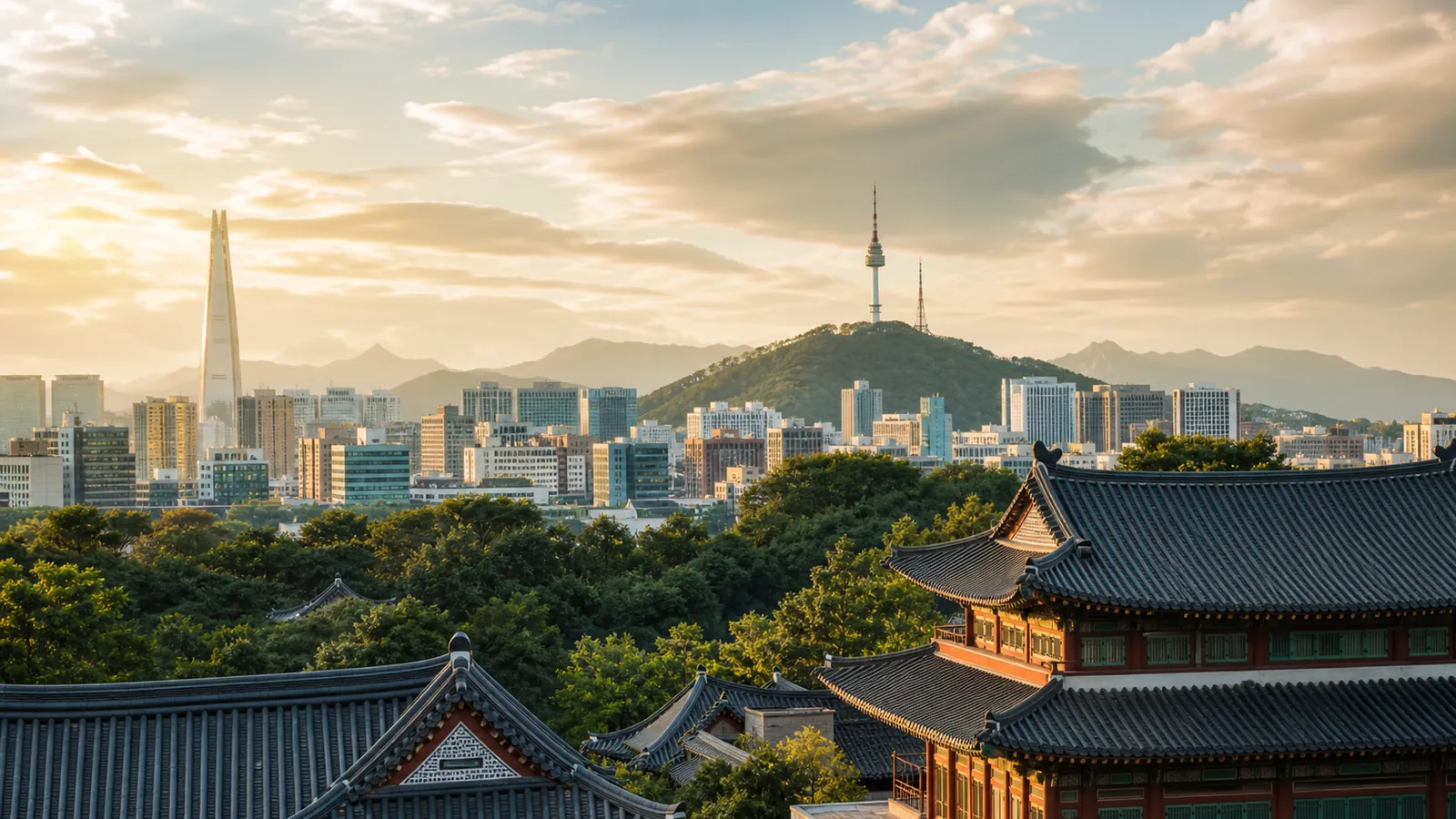
Seúl es el futuro funcionando: hipermoderna, segura a cualquier hora, con palacios entre rascacielos, comida callejera 24/7 y una cultura pop que conquistó al mundo. Rápida, montañosa y adicta al café, es una de las ciudades más cómodas y estimulantes de Asia — todo va a mil.Seoul is the future working: hyper-modern, safe at any hour, with palaces among skyscrapers, 24/7 street food and a pop culture that conquered the world. Fast, mountainous and coffee-addicted, it's one of Asia's most comfortable and stimulating cities — everything runs at full speed.
Mejor épocaBest time
Primavera (abril–mayo) y otoño (octubre–noviembre). Verano húmedo, invierno gélido.Spring (April–May) and autumn (October–November). Humid summer, freezing winter.
PresupuestoBudget
Nómada cómodo ~$1,400–2,200 USD/mes; la comida es barata, la renta no tanto.Comfortable nomad ~$1,400–2,200 USD/mo; food is cheap, rent less so.
EntradaEntry
Sin visa 90 días para la mayoría; puede pedirse el permiso K-ETA en línea.Visa-free 90 days for most; the K-ETA online permit may be required.
ConectividadConnectivity
El internet más rápido del mundo; wifi y cafés-oficina por todos lados.The world's fastest internet; wifi and cafe-offices everywhere.
ViajarTravel
Qué ver y reservar en SeúlWhat to see and book in Seúl
Gyeongbokgung
El gran palacio; llega para el cambio de guardia.The grand palace; arrive for the changing of the guard.
Mercados de comida
Gwangjang y los puestos nocturnos: tteokbokki y más.Gwangjang and the night stalls: tteokbokki and more.
Bukhansan
Senderismo con la ciudad entera a los pies, dentro de Seúl.Hiking with the whole city at your feet, inside Seoul.
Arma tu viajePlan your trip
¿Cuántos días te vas a Seúl?How many days in Seúl?
Dónde dormirWhere to stay
Hotel y estanciaHotel & stay
Hoteles en SeúlHotels in Seúl
Booking
Estancias largas / departamentosLong stays / apartments
Booking
Reserva con cancelación gratis y paga al llegar.Book with free cancellation and pay on arrival.
Qué hacerWhat to do
Tours y experienciasTours & experiences
Tours en SeúlTours in Seúl
GetYourGuide
Paquetes de varios díasMulti-day packages
TourRadar
Los tours y paquetes de varios días también son afiliados.Tours and multi-day packages are affiliate too.
eSIM
Datos al aterrizarData on landing
eSIM para Corea del SureSIM for South Korea
Airalo
Se activa antes de salir; nada de buscar SIM en el aeropuerto.Activates before you leave; no airport SIM hunting.
SeguroInsurance
Elige según tu viajePick by trip type
SafetyWing
Larga estancia / nómadaLong stay / nomad
Heymondo
Viaje corto / turistaShort trip / tourist
IATI
En español / aventuraSpanish / adventure
Cobertura médica y de cancelación; barato y tranquiliza. Cada uno encaja con un viajero distinto.Medical and cancellation cover; cheap peace of mind. Each fits a different traveler.
VivirLive there
¿Y si te quedas una temporada?What if you stay a while?
Costo de vida nómadaNomad cost of living
¿Cuánto necesitas al mes en Seúl?How much do you need per month in Seúl?
Seúl es para el nómada que prioriza infraestructura por encima de precio: internet de los mejores del mundo, metro impecable, seguridad altísima y cafés abiertos hasta tarde en cada esquina. No es barata —vivir aquí se parece más a una capital europea que al sudeste asiático— y el muro real no es la renta mensual sino el depósito coreano, que se pide por adelantado y puede ser de varios miles de dólares. Si buscas base económica, si te agota la barrera del idioma o si necesitas hacer amigos rápido, hay opciones mejores; si vienes por calidad de vida urbana y tus ingresos son sólidos, funciona muy bien.Seoul is for the nomad who values infrastructure over price: some of the best internet on earth, a flawless metro, very high safety, and late-night cafés on every corner. It isn't cheap — living here feels closer to a European capital than to Southeast Asia — and the real wall isn't monthly rent but the Korean deposit, paid up front and often several thousand dollars. If you want a budget base, if the language barrier wears you down, or if you need to make friends fast, there are better options; if you're here for urban quality of life and your income is solid, it works very well.
Austero al mesLean per month
≈US$1.500
Estudio o compartido, cocinas en casa, transporte público.Studio or shared, you cook at home, public transport.
Cómodo al mesComfortable per month
≈US$2.800
Departamento propio en buena zona, comes fuera, coworking.Your own place in a good area, eating out, coworking.
En qué se te vaWhere the money goes
- Officetel (estudio) amueblado en zona nómada — Hongdae, Itaewon, GangnamFurnished officetel (studio) in a nomad area — Hongdae, Itaewon, Gangnam≈US$700–1.200/mes + depósito
- Depósito de renta (보증금) que se paga aparte de la mensualidadRental deposit (boojeunggeum) paid on top of monthly rent≈US$3.500–15.000 (a menudo ~10 millones de wones); se devuelve al salir
- One-room / estudio fuera del centro (Gwanak, Eunpyeong, Nowon)One-room / studio outside the center (Gwanak, Eunpyeong, Nowon)≈US$400–650/mes
- Servicios + cuota de mantenimiento del edificio (관리비)Utilities + building management fee (gwanribi)≈US$80–180/mes; se dispara en enero (calefacción) y agosto (aire)
- Coworking, escritorio libre mensualCoworking, monthly hot desk≈US$200–320/mes
- Comida de diario (kimbap, jjigae, bibimbap) en local de barrioEveryday meal (kimbap, jjigae, bibimbap) at a neighborhood spot≈US$5–9 por plato
- Cena en restaurante medio, una personaDinner at a mid-range restaurant, one person≈US$15–30
- Café: americano en cafetería de especialidad (las cadenas baratas cuestan mucho menos)Coffee: americano at a specialty café (budget chains cost far less)≈US$3–5 (cadenas económicas ≈US$1,50–2)
- Transporte: abono mensual de Seúl (Climate Card) o pago por viajeTransport: Seoul monthly pass (Climate Card) or pay-per-ride≈US$45/mes (viaje suelto ≈US$1)
Internet y señalInternet & signal
Aquí Corea no decepciona: la fibra doméstica de 500 Mbps a 1 Gbps es el estándar, no el plan premium, y en muchos officetels ya viene incluida en la cuota de mantenimiento. La cobertura móvil es de las mejores del mundo y —esto sorprende a todos— tienes señal y wifi dentro del metro, en los túneles. Hay wifi público gratuito en calles, cafés y estaciones (velocidad variable, pero funciona). Apagones o cortes prolongados no son un tema aquí. Dos detalles prácticos: contratar fibra a tu nombre suele implicar contrato largo (2–3 años) y tarjeta de residencia, así que si vienes por pocos meses lo normal es depender del internet que ya trae el departamento; y Corea sí filtra parte de la web —sitios de apuestas, porno y algunos contenidos bloqueados a nivel de proveedor—, nada que afecte tu trabajo, pero mucha gente usa VPN por costumbre.Korea does not disappoint here: 500 Mbps to 1 Gbps home fiber is the standard, not the premium tier, and in many officetels it's already bundled into the building fee. Mobile coverage is world-class and — this surprises everyone — you have signal and wifi inside the subway, in the tunnels. Free public wifi on streets, in cafés and stations (speed varies, but it works). Blackouts or long outages simply aren't a thing here. Two practical catches: signing up for fiber in your own name usually means a long contract (2–3 years) and a residence card, so for a short stay you'll rely on whatever the apartment already has; and Korea does filter part of the web — gambling, porn and some content blocked at the ISP level — nothing that affects your work, but plenty of people keep a VPN out of habit.
CoworkingCoworking
Escena grande y bastante corporativa, concentrada en Gangnam y Yeoksam y en el centro (Jongno/Euljiro). WeWork tiene varias sedes y las cadenas coreanas FastFive y SparkPlus son las más extendidas; el escritorio libre mensual ronda ≈US$200–320 y las oficinas privadas suben bastante. La alternativa local que casi nadie te cuenta son los "study cafés" (스터디카페): silenciosos, con escritorio y enchufe, desde ≈US$2–3 la hora o planes mensuales que suelen ir de ≈US$80 a ≈US$150 según el sitio. Ojo: son de silencio absoluto, no sirven para videollamadas. Y el plan B de trabajar en cafeterías tiene truco: las cafeterías son buenísimas y abundantes, pero muchas prohíben laptops los fines de semana o en horas pico (verás carteles de "노트북 금지").A large, fairly corporate scene concentrated in Gangnam and Yeoksam and downtown (Jongno/Euljiro). WeWork has several locations, and the Korean chains FastFive and SparkPlus are the most widespread; a monthly hot desk runs ≈US$200–320, private offices considerably more. The local option nobody tells you about is the "study café" (스터디카페): quiet, with a desk and a plug, from ≈US$2–3 an hour or monthly passes typically ≈US$80–150 depending on the place. Careful: they're strictly silent, so no video calls. And the café plan B has a catch: cafés are excellent and everywhere, but many ban laptops on weekends or at peak hours (look for the "노트북 금지" signs).
Dónde vive la gente nómadaWhere nomads actually live
Hongdae y Yeonnam-dong (Mapo) son el default nómada: jóvenes, llenos de cafés, bien conectados, y con la versión tranquila (Yeonnam) a diez minutos del caos (Hongdae). Itaewon, Hannam-dong y sobre todo Haebangchon —"HBC", la ladera detrás de Itaewon— siguen siendo la zona más amigable para extranjeros: es donde más inglés vas a escuchar; la vida nocturna de Itaewon está más apagada que hace años, pero la comunidad expat sigue ahí. Gangnam, Yeoksam y Seolleung son la opción práctica si tu vida gira alrededor del coworking y las startups: cara, funcional y con poco encanto de barrio. Seongsu-dong es la fábrica reconvertida en zona creativa, preciosa pero ya se puso cara. Si vas apretado de presupuesto, mira Sinchon o la zona de Ewha (universitaria, cuartos baratos) o barrios más periféricos como Gwanak, Eunpyeong o Nowon, siempre con buena línea de metro.Hongdae and Yeonnam-dong (Mapo) are the nomad default: young, packed with cafés, well connected, with the calm version (Yeonnam) ten minutes from the chaos (Hongdae). Itaewon, Hannam-dong and especially Haebangchon — "HBC", the hillside behind Itaewon — are still the most foreigner-friendly area: the most English you'll hear; Itaewon nightlife is quieter than it was years ago, but the expat community is still there. Gangnam, Yeoksam and Seolleung are the practical pick if your life revolves around coworking and startups: expensive, functional, short on neighborhood charm. Seongsu-dong is the converted-factory creative district, lovely but already pricey. On a tight budget, look at Sinchon or the Ewha area (university, cheap rooms) or more outlying neighborhoods like Gwanak, Eunpyeong or Nowon — always with a good subway line.
ComunidadCommunity
Conocer extranjeros es fácil: hay meetups constantes, intercambios de idioma casi todas las noches y una comunidad expat consolidada en Itaewon/HBC (históricamente muy marcada por profesores de inglés). Lo que cuesta es entrar en círculos coreanos: la gente es amable y servicial, pero las amistades se construyen despacio y giran mucho alrededor del trabajo o la universidad. La comunidad hispanohablante es pequeña comparada con Ciudad de México o Bangkok — existe, pero no esperes encontrarla en cada esquina. El día a día es en coreano: el inglés funciona con gente joven y en zonas céntricas, y se cae rápido fuera de ahí. Aprende el hangul (se lee en un fin de semana, en serio) y ten el traductor a mano.Meeting other foreigners is easy: constant meetups, language exchanges almost every night, and an established expat community in Itaewon/HBC (historically shaped by English teachers). What's hard is getting into Korean circles: people are kind and helpful, but friendships build slowly and revolve heavily around work or university. The Spanish-speaking community is small compared with Mexico City or Bangkok — it exists, but don't expect to run into it everywhere. Daily life happens in Korean: English works with younger people and in central areas, and drops off fast outside that. Learn hangul (genuinely a weekend's work) and keep a translation app handy.
Lo que nadie te diceWhat nobody tells you
El depósito. En Corea la renta mensual (wolse) casi siempre viene con un depósito grande por adelantado, y sin tarjeta de residencia ni cuenta bancaria coreana es muy difícil firmar un contrato normal: la mayoría de los nómadas termina en share houses o rentas amuebladas de corto plazo pagando sobreprecio. Verifica el registro de la propiedad y quién es el propietario real antes de entregar dinero — hubo una ola documentada de fraudes de depósito hace pocos años. El clima pega en los dos extremos: julio es temporada de monzón con lluvias fuertes, agosto es calor húmedo asfixiante y en invierno las olas de frío bajan de −10 °C; en primavera aparece el polvo fino (미세먼지), un problema de calidad del aire que casi nadie anticipa. En seguridad Seúl está entre las grandes ciudades más seguras del mundo, así que la advertencia no va por el crimen sino por la cultura de trago pesada y por revisar tu alojamiento con calma. Sobre visas: muchos pasaportes latinoamericanos y España entran sin visa hasta 90 días, pero confirma el estado del K-ETA antes de volar (ha habido exenciones temporales que cambian de año en año). Existe desde 2024 una visa de nómada/workation, pero exige ingresos altos (del orden de dos veces el ingreso per cápita coreano) y seguro médico con cobertura fuerte: no es para cualquiera. Detalle práctico que salva viajes: Google Maps funciona muy mal en Corea por restricciones de datos cartográficos; descarga Naver Map o KakaoMap el día uno. Y come solo con estrategia: muchos platos clásicos (barbacoa, jjigae) se sirven mínimo para dos.The deposit. Korean monthly rent (wolse) almost always comes with a large lump-sum deposit up front, and without a residence card and a Korean bank account signing a normal lease is very hard: most nomads end up in share houses or short-term furnished rentals at a premium. Verify the property registry and who the actual owner is before handing over money — there was a documented wave of deposit fraud a few years back. The weather hits at both ends: July is monsoon season with heavy rain, August is suffocating heat and humidity, and winter cold snaps drop below −10 °C; in spring comes the fine dust (misemeonji), an air-quality problem almost nobody plans for. On safety, Seoul is among the safest big cities in the world, so the warning isn't about crime but about the heavy drinking culture and taking your time to vet your accommodation. On visas: many Latin American passports and Spain get up to 90 days visa-free, but check the current K-ETA status before you fly (temporary exemptions have come and gone year to year). A digital nomad/workation visa has existed since 2024, but it demands high income (on the order of twice Korea's per-capita income) and substantial health coverage — it isn't for everyone. One practical detail that saves trips: Google Maps works poorly in Korea due to mapping-data restrictions; download Naver Map or KakaoMap on day one. And eat solo strategically: many classic dishes (barbecue, jjigae) are served for two minimum.
Cifras en dólares y aproximadas, revisadas en septiembre de 2026, para una persona sola. Los precios de renta se mueven rápido en las ciudades con muchos nómadas — úsalas para comparar y presupuestar, no como cotización.Figures in US dollars and approximate, reviewed in September 2026, for one person. Rents move fast in nomad-heavy cities — use these to compare and budget, not as a quote.
Dónde poner tu base en Seúl, por barrio:Where to base yourself in Seúl, by neighborhood:
Hongdae
Joven, creativo y de noche larga, junto a la universidad.Young, creative and late-night, by the university.
Itaewon
Internacional y multicultural, con la mejor comida del mundo.International and multicultural, with food from everywhere.
Seochon / Bukchon
Callejones tradicionales de hanok junto a los palacios.Traditional hanok alleys next to the palaces.
Para quedarteTo settle in
Dinero y conexiónMoney & connection
Wise
Cuenta y tarjeta multidivisaMulti-currency account & card
VPN
Wifi público y geobloqueoPublic wifi & geoblocking
SafetyWing
Seguro de larga estanciaLong-stay insurance
Lo básico si te quedas meses: cuenta multidivisa, VPN y seguro de larga estancia.The basics if you stay months: multi-currency account, VPN and long-stay insurance.
RequisitosRequirements
¿Qué necesitas para entrar?What do you need to enter?
Requisitos de entradaEntry requirements
¿Necesitas visa?Do you need a visa?
Cargando…Loading…
¿Vas por más que turismo? Vías para Corea del Sur:Going for more than tourism? Routes for South Korea:
Requisitos, tiempos, costo y fuente oficial de cada una.Requirements, timelines, cost and official source for each.
Referencia orientativa; las reglas cambian. Confirma siempre con la embajada o tu aerolínea antes de viajar.Guidance only; rules change. Always confirm with the embassy or your airline before traveling.
- Pasaporte: vigente al menos 6 meses después de tu viaje.Passport: valid at least 6 months beyond your trip.
- Visa: depende de tu nacionalidad y del tiempo de estancia. Revisa el caso de Corea del Sur en la página de requisitos.Visa: depends on your nationality and length of stay. Check the South Korea case on the requirements page.
- Seguro: algunos países lo piden en frontera; te dejamos uno arriba.Insurance: some countries require it at the border; there's one above.
Algunos enlaces son de afiliado: si reservas por ellos, ganamos una comisión sin costo extra para ti. Solo recomendamos lo que usaríamos.Some links are affiliate links: if you book through them we earn a commission at no extra cost to you. We only recommend what we'd use.
Más en Corea del SurMore in South Korea
Busan
Capital de estado/provinciaState/provincial capital
Incheon
Capital de estado/provinciaState/provincial capital
Daegu
Capital de estado/provinciaState/provincial capital
Daejeon
Capital de estado/provinciaState/provincial capital
Gwangju
Capital de estado/provinciaState/provincial capital
Suwon
Capital de estado/provinciaState/provincial capital